KLIMS 2024: Toyota exhibits multi-pathway approach to 'Beyond Zero'


Toyota
UMW Toyota Motor Sdn Bhd's (UMWT) central theme of a multi-pathway approach to a net zero carbon future is on full display at the 10th Kuala Lumpur International Mobility Show (KLIMS 2024).
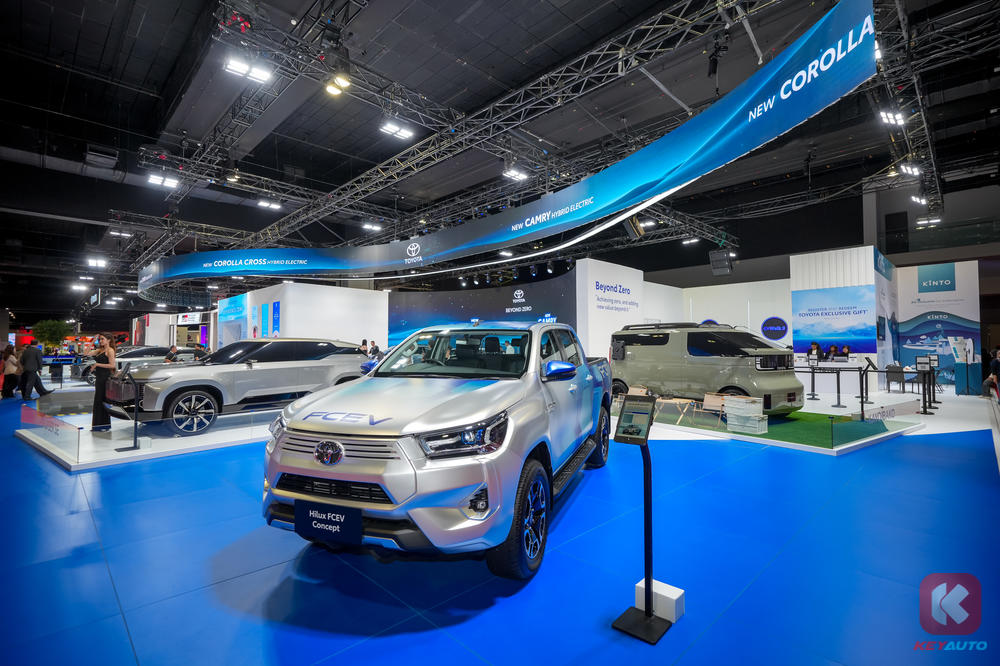
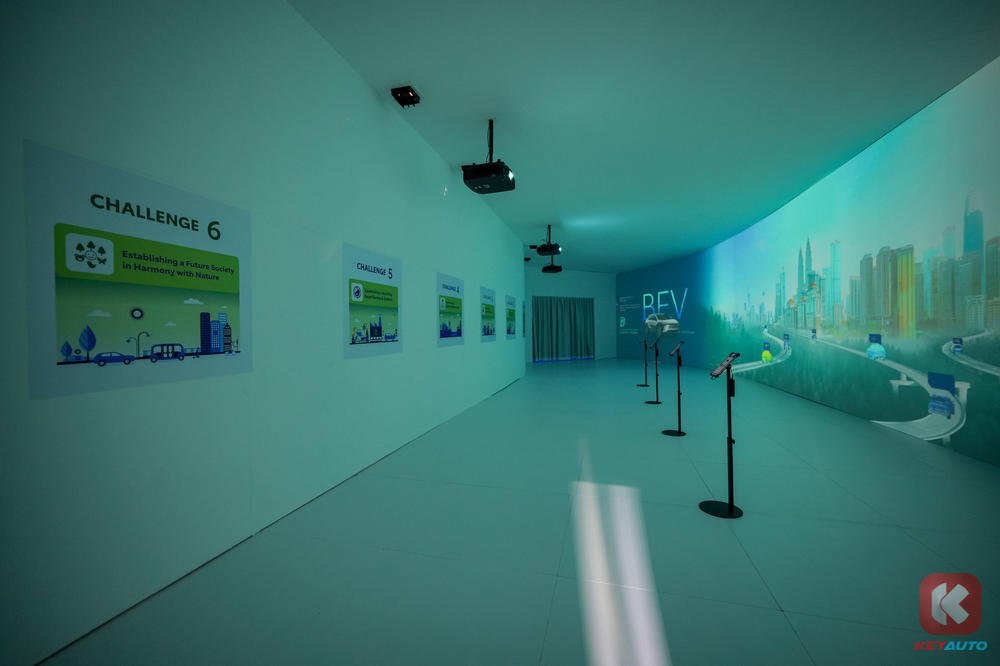
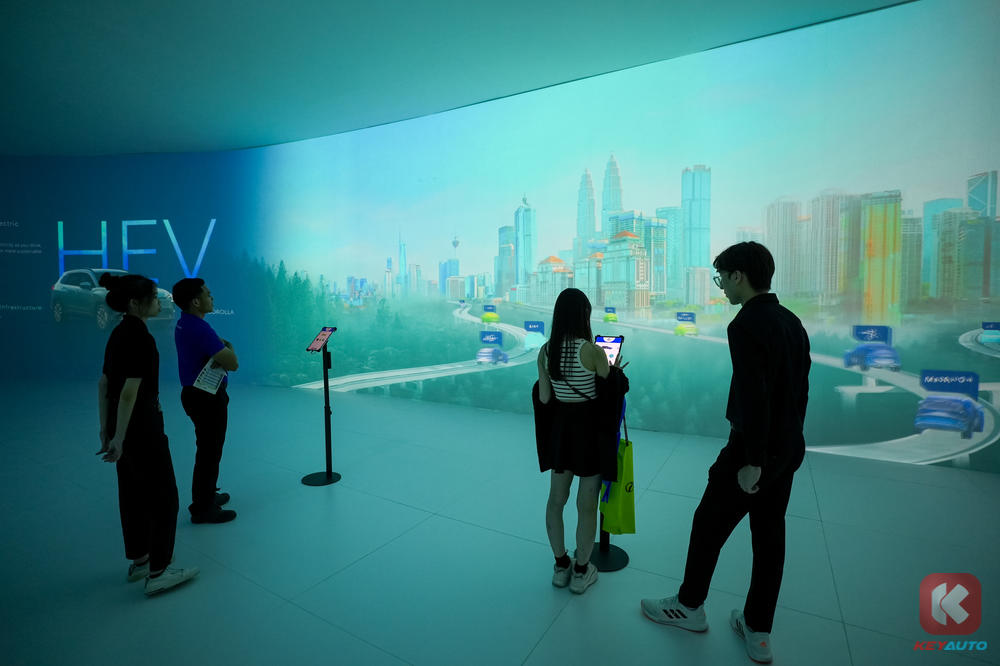
Visitors to Toyota's show floor will be greeted by a range of concept models as well as an exhibition space that highlights the company's 'Beyond Zero' vision.
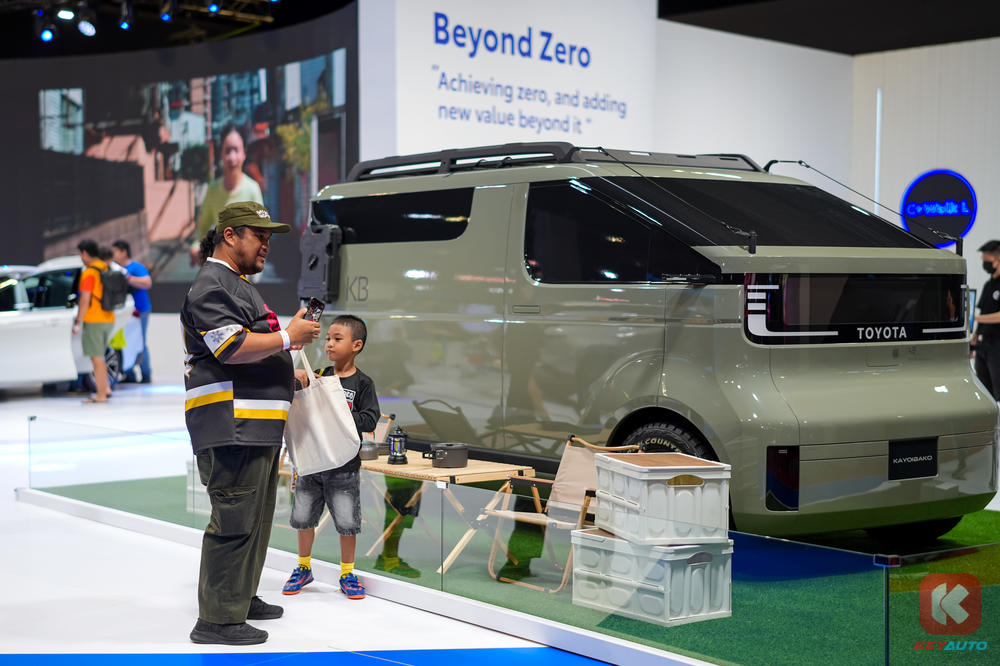
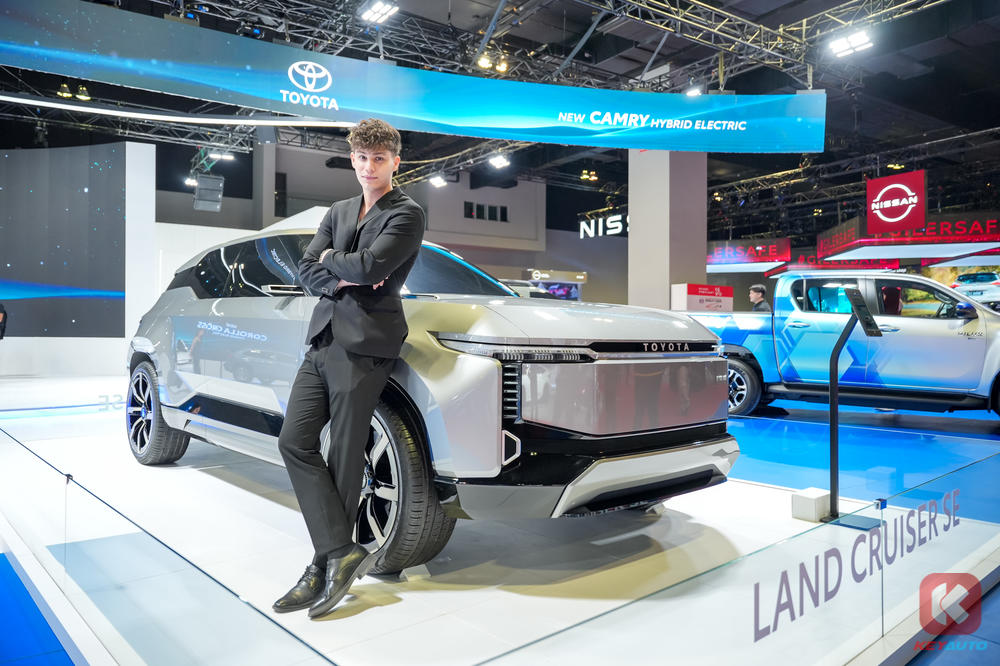
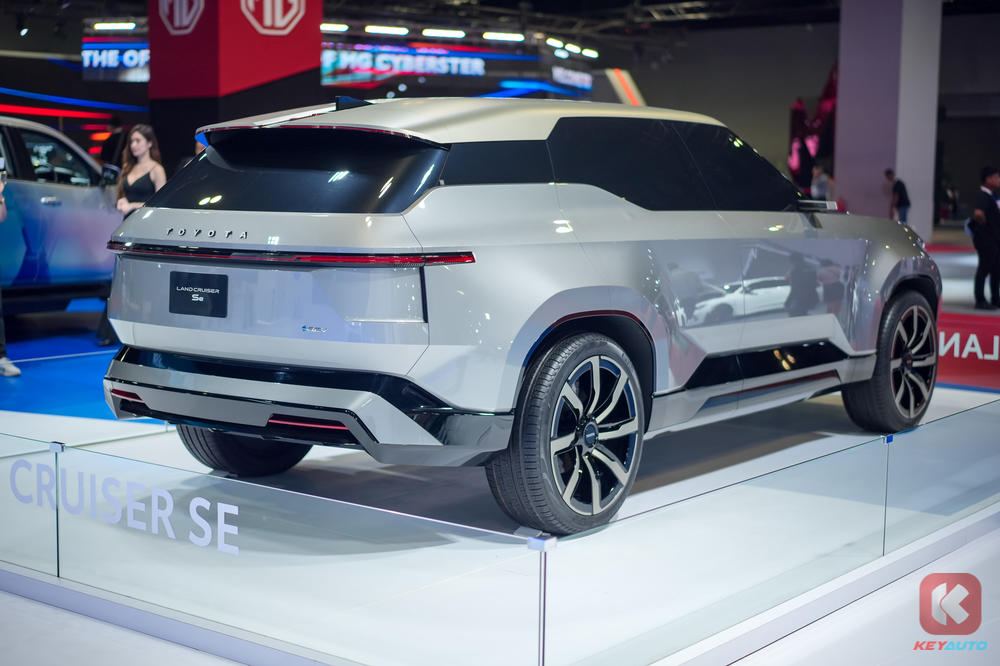
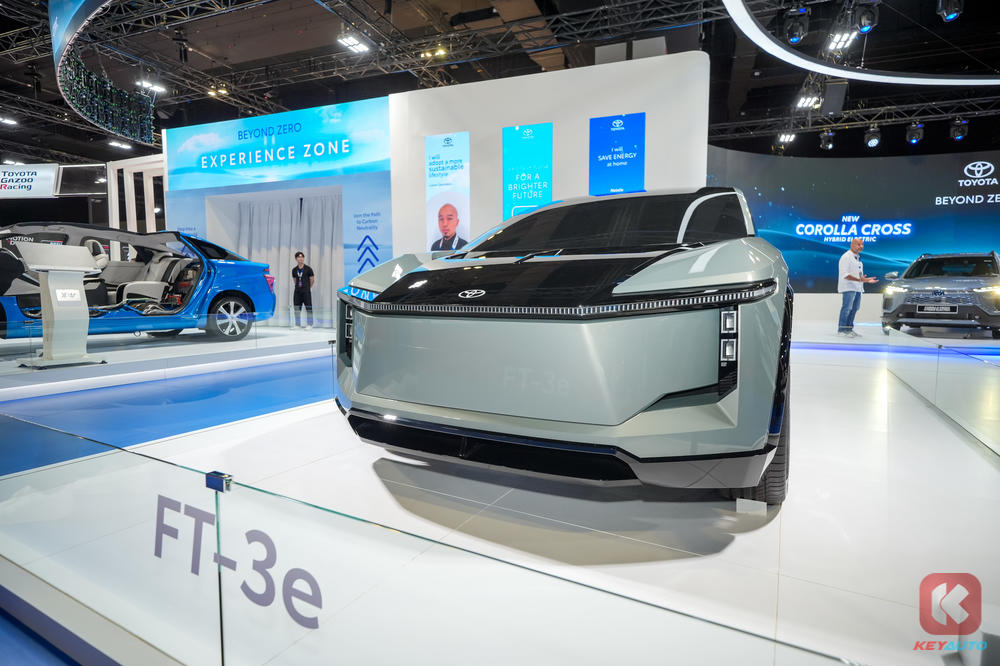
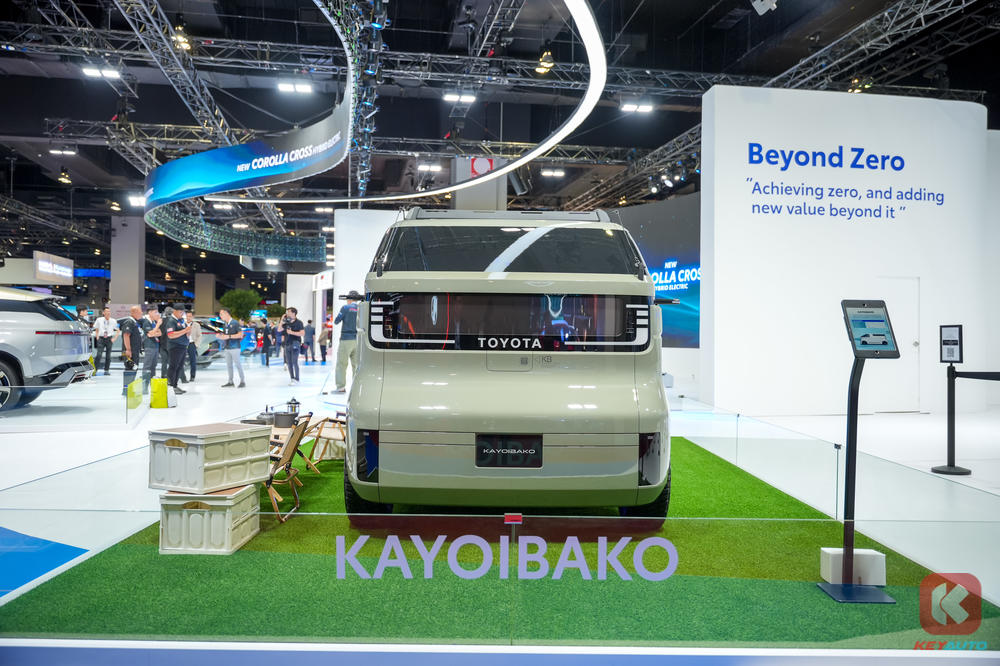
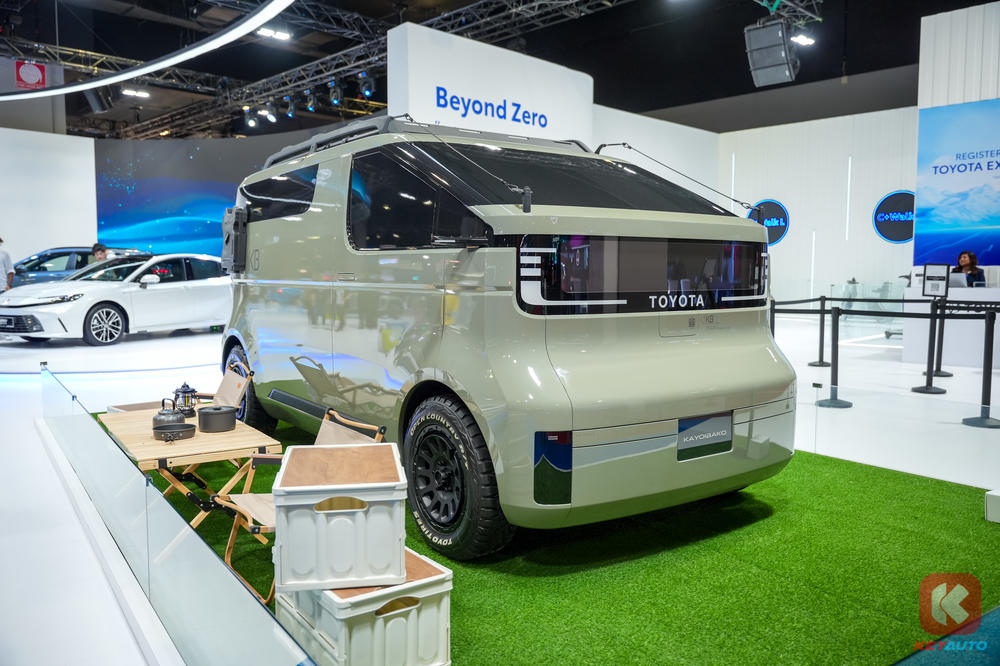
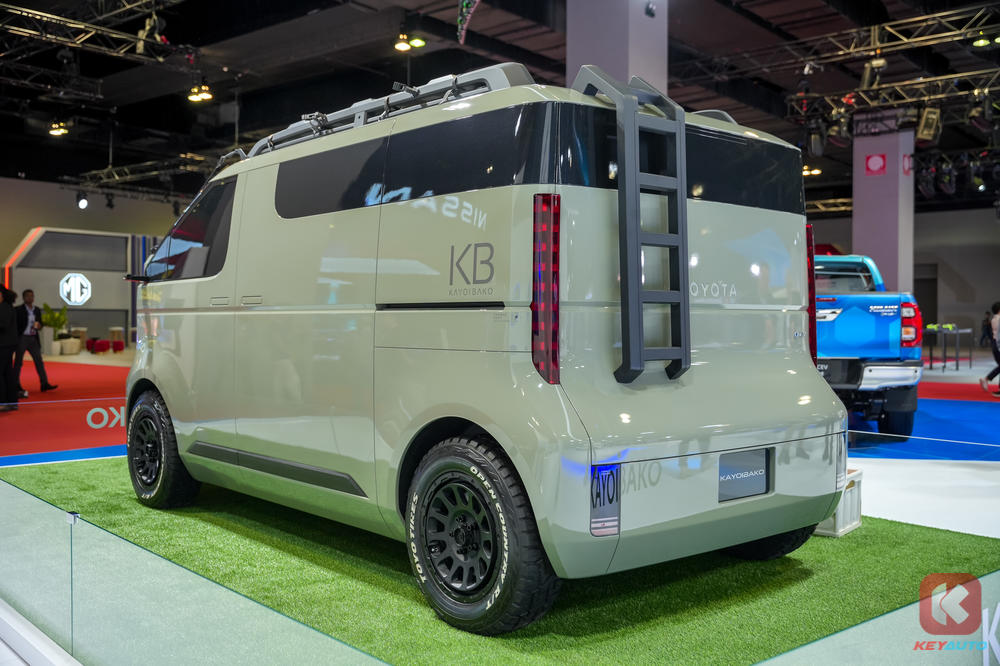
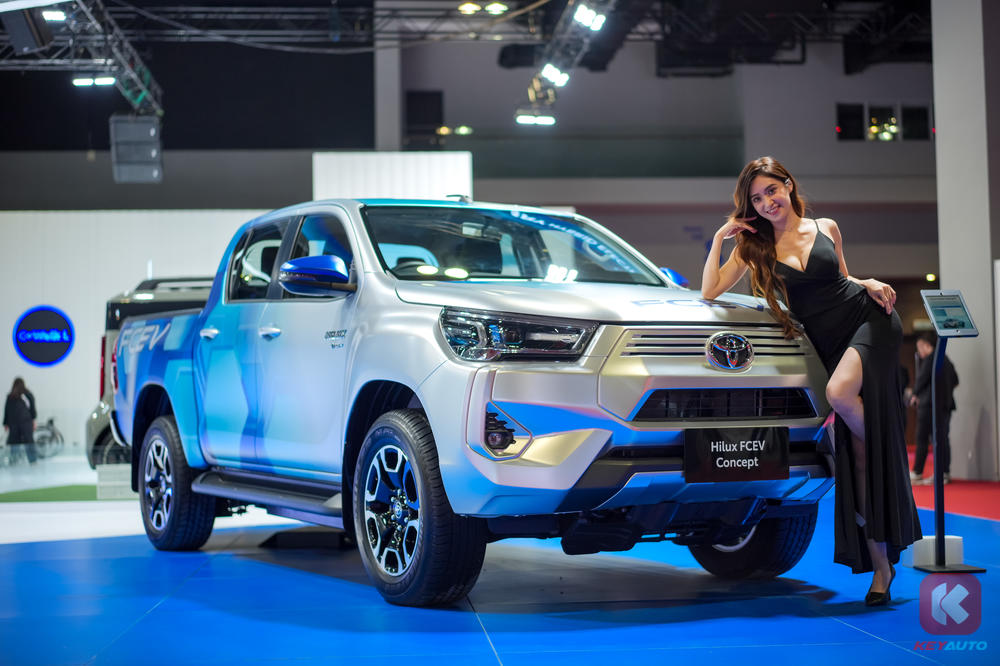
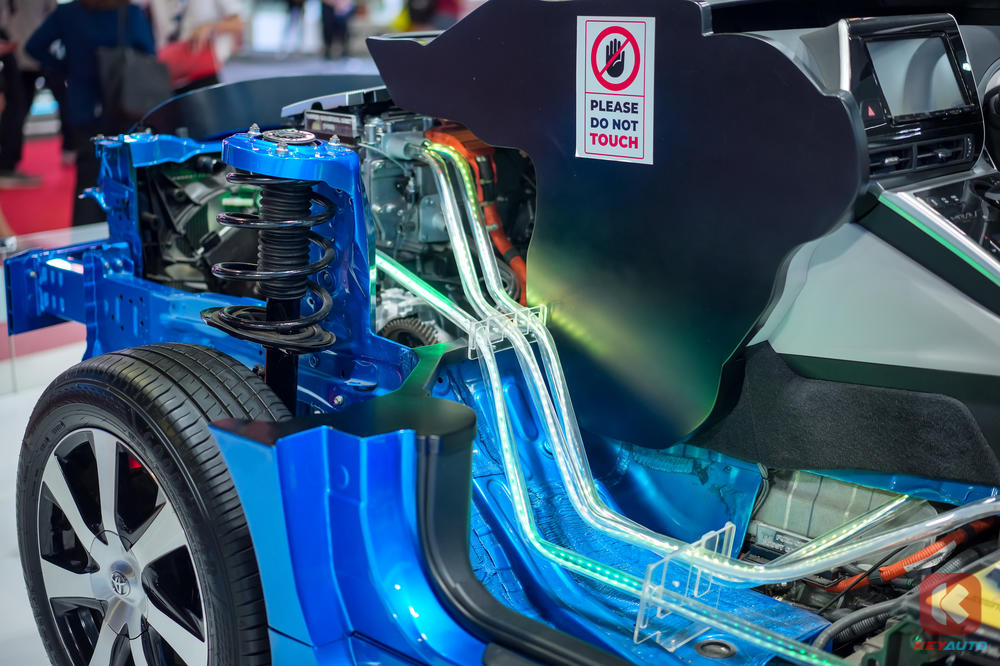
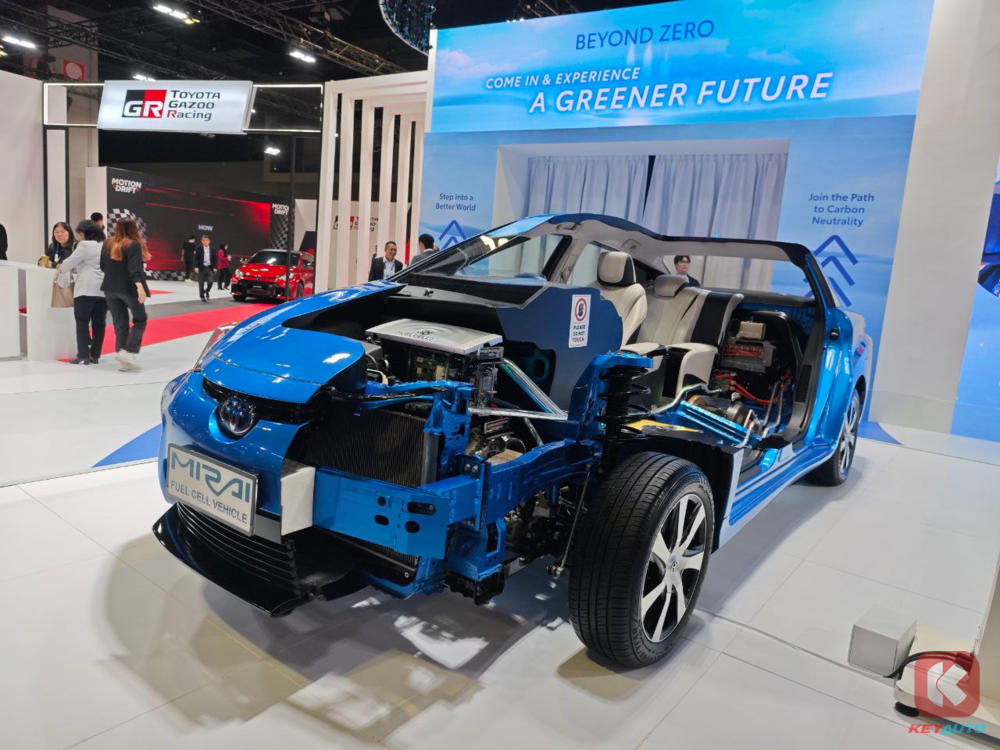
Hydrogen or Fuel Cell Electric Vehicle (FCEV) models such as the Mirai (half-cut) and Hilux FCEV Concept are present, while the Land Cruiser Se, FT-3e and Kayoibako concept models exude the versatility of battery electric vehicles (BEVs).
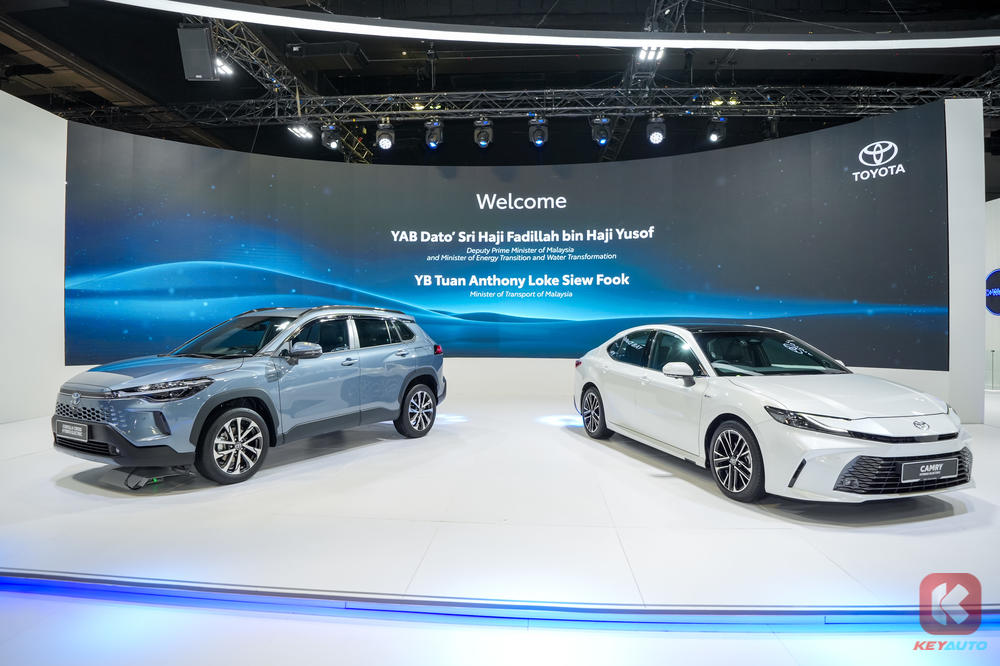
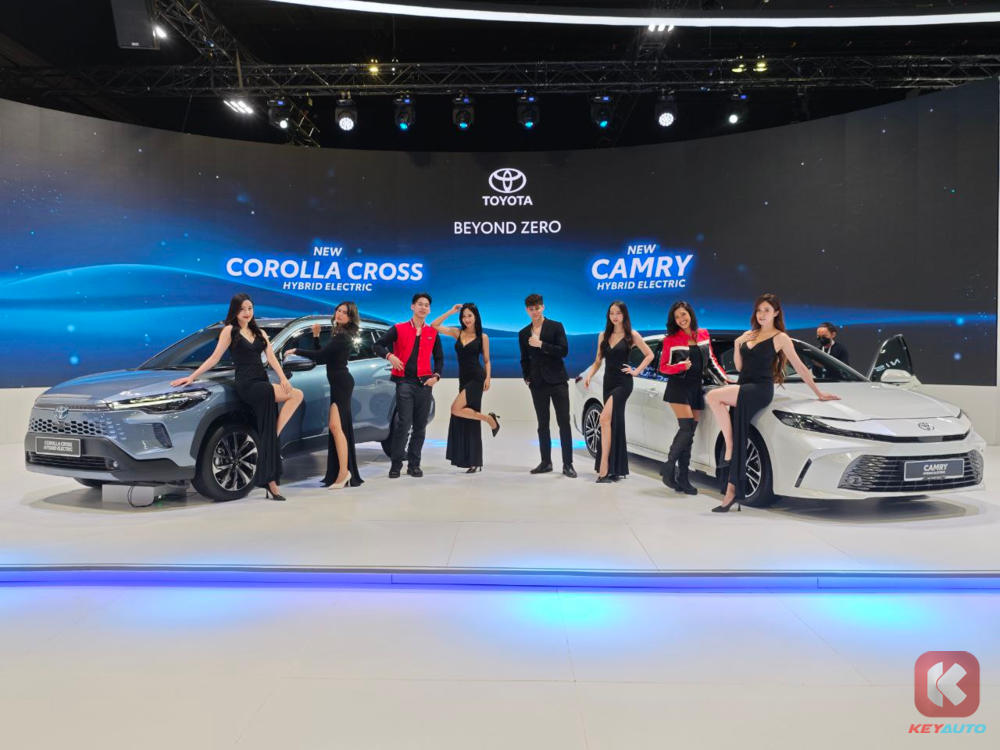
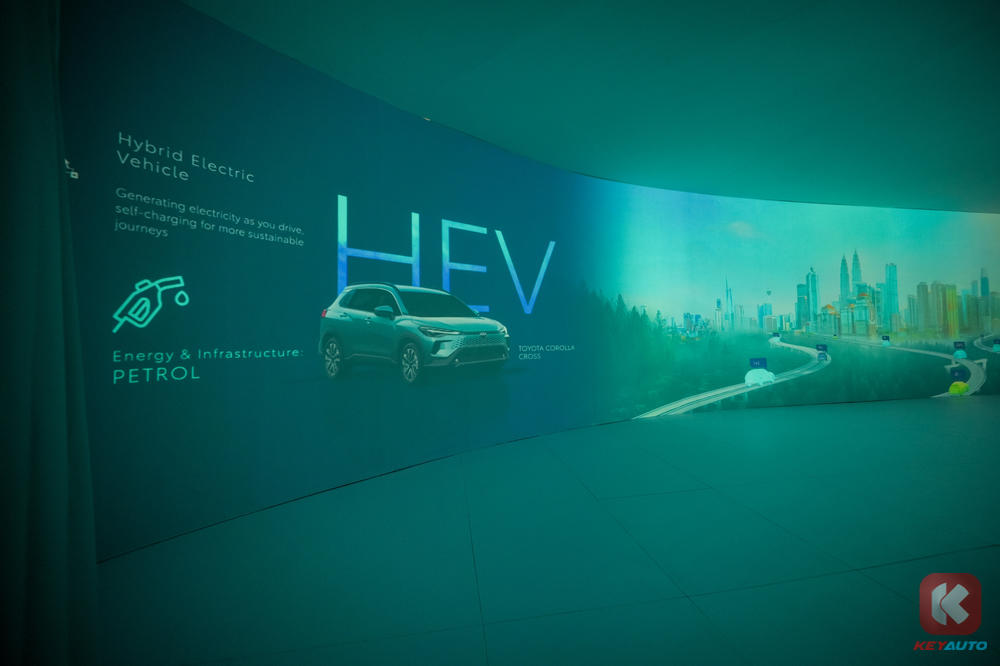
This is In addition to the launch of the 2025 Corolla Cross Hybrid and the 9th generation Camry Hybrid which, as their name implies, are hybrid electric vehicles (HEVs).
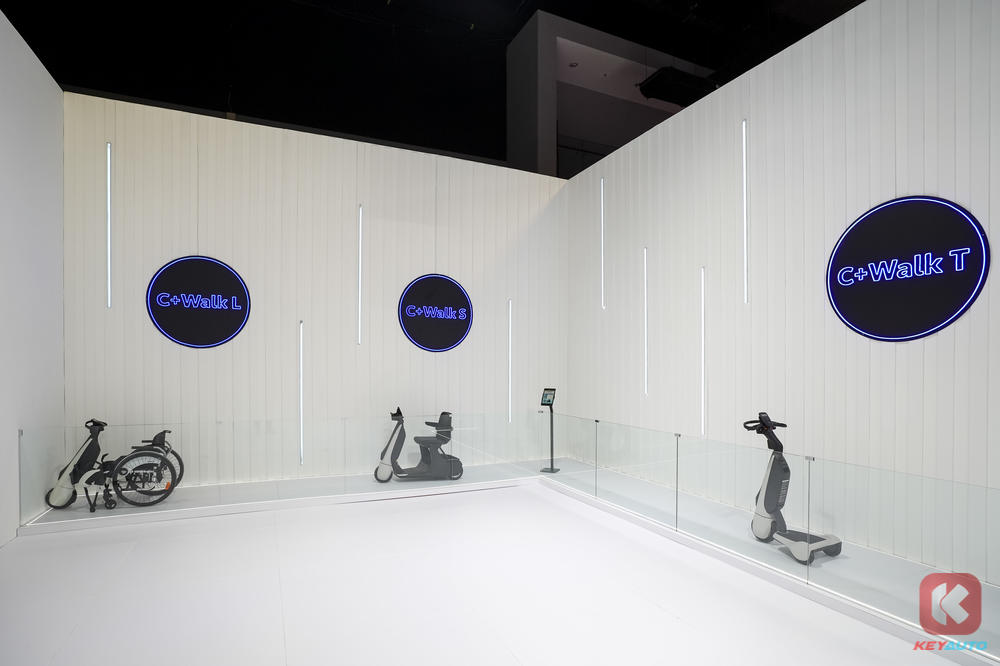
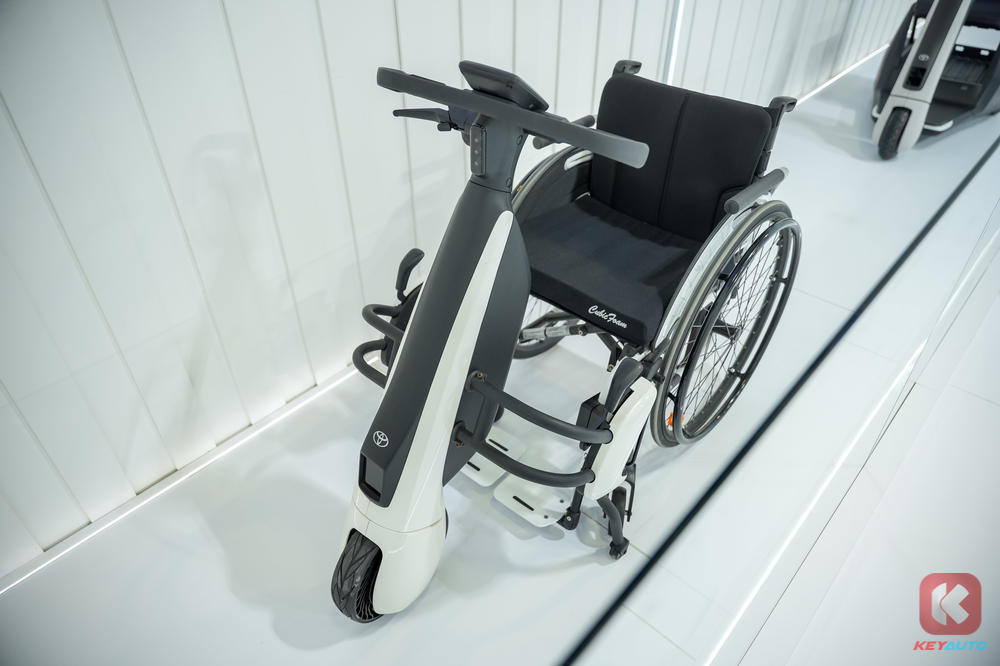
More than just powertrains, UMW Toyota also brought along multiple C+ Walk BEV models that are three-wheeled single-person carriers. The model represents not only a new form of sustainable option for the public but also Toyota's direction towards offering a broader range of mobility options.
The Beyond Zero vision highlights Toyota's initiatives in line with its commitment to sustainable and eco-friendly practices.
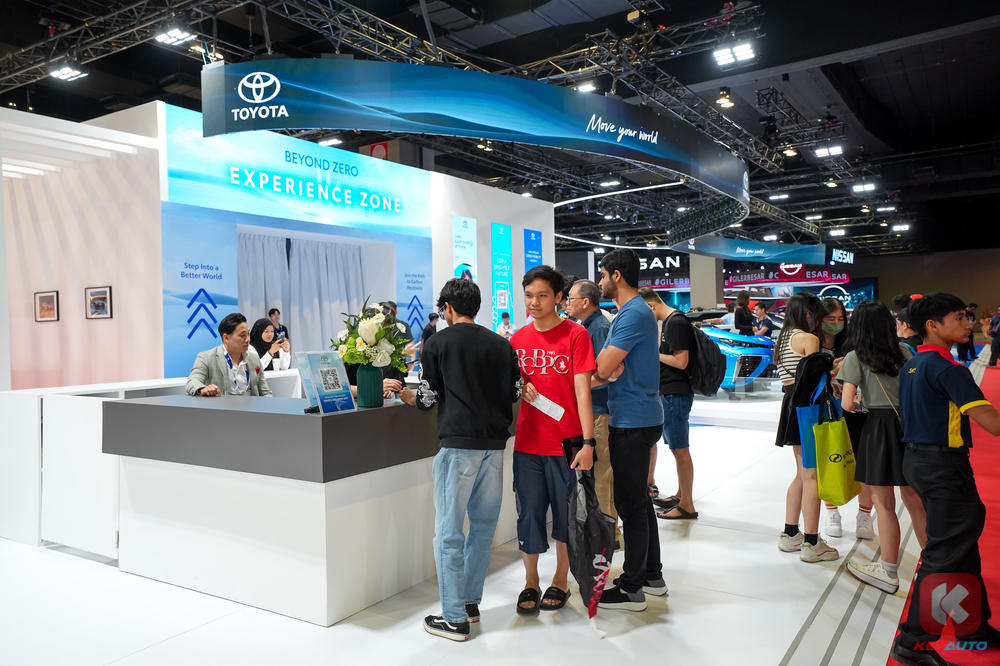
The goal is to offer multiple electrification solutions to meet the unique needs of customers and regions to address a multi-pathway approach to carbon neutrality.
Its broader aim is to ensure that no one is left behind in their journey towards achieving zero carbon dioxide (CO2) emissions.
The Multi-Pathway Effect
Electrification, in particular BEVs, are seen as the direct solution in solving both emission and performance issues faced by ICE vehicles.
Toyota however believes this isn't the only way and mass adoption of pure electrification cannot happen due to inherent limitations.
Cost will not only come at a change in lifestyle but EVs are still much pricier than their ICE counterparts. This hasn't factored in the huge amount of investment required for an infrastructure to be generally accessible.
EV production, its power source and recycling effort have yet to be properly addressed in the interim as well.
In all it'll take major adjustments in multiple areas just for it to be practical - that in itself is a major hurdle.
Eventually of course BEVs, to Toyota, will find a more sustainable place in the market as the infrastructure matures, renewable energy sources grow, and the cost and impact of battery technology drops.
However, the believe is that we need not limit ourselves or wait for one particular ecosystem to advance before we tackle climate and carbon emission issues.
This is where the potential role of the various powertrains come into play and how all of them together can also aid to achieve carbon neutrality regardless if they are BEVs, HEVs, plug-in hybrid electric (PHEV), FCEV or even internal combustion engine (ICE).
By applying them where suitable everyone will be able to participate in the decarbonisation journey regardless of cost or choice of lifestyle.
Making carbon neutral or carbon reducing technologies accessible to all will also allow us to achieve the intended speed and scale of decarbonisation.
For example, FCEV allows for longer-distance driving and shorter re-fuel times for customers who have access to hydrogen sources.
This is an advantageous for commercial vehicles where refueling takes 10 minutes or less and have the capacity to attain longer driving distance. Put the two together and you'll keep costs down.
This is on top of benefits such as a smoother and zero-emission drive experience akin to what you would experience in BEVs.
Toyota's Mirai for example, which was delivered to Sarawak a year ago and emits only water, has an impressive range of up to 800km.
BEVs are suitable for short-mid distances while greatly benefitting customers who have access to charging locations, whether residences, offices or public spaces.
HEVs are said to be the lowest cost and most accessible carbon-reducing solution for Malaysia today, catering for customers who want convenient, affordable and fuel-saving vehicles.
Said powertrain, as the company points out, require smaller and cheaper batteries while potentially having up to 50 per cent less C02 emission compared to ICE vehicles.
In Malaysia, UMWT reportedly sold 41,600 HEVs since 2009, which translates to approximately 150,000 tonnes of CO2 absorption and is equivalent to more or less 500,000 trees.
Multiple companies including Toyota are also working to continuously improve the fuel efficiency of ICE vehicles as they explore alternative fuels like flexi-fuel with biofuels, and Compressed Natural Gas (CNG), among others.
KLIMS 2024 is held at the Malaysia International Trade and Exhibition Centre (MITEC) from Dec 5-11.
Share




KeyAuto.my is a Chinese automotive information website in Malaysia. Together with readers, we present the ever-changing world of automobiles in various forms. KeyAuto.my will provide the latest, trendiest, and most comprehensive automotive information.
Follow Us